

Private Jet Maintenance: Navigating the To-Dos of Maintaining a Private Jet
Summary: Maintaining a private jet requires a significant amount of time, expertise, and capital. From inspections and repairs to operating expenses, costs can easily exceed $1 million annually. This guide outlines the true cost of ownership and why many choose on-demand charter instead.
- Maintenance costs range from $300,000 to over $1 million annually, based on jet size.
- Required inspections include pre-/post-flight, A–D checks, and FAA-mandated reviews.
- Common expenses include engine, avionics, and environmental system repairs.
- Ownership involves high fixed costs (such as crew and insurance) and variable costs (such as fuel and repairs).
- Chartering offers flexibility, reduced risk, and no ongoing maintenance burdens.
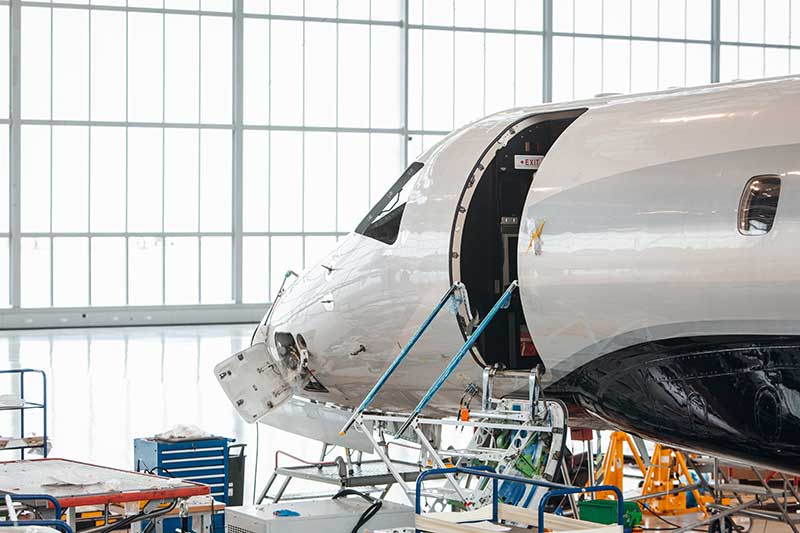
Maintaining a private jet is a significant commitment. It requires a blend of technical precision and compliance with global aviation standards. Most significantly, it requires a substantial ongoing investment.
How much does it cost to maintain a private jet, and is the expense worth it?
Understanding the cost of maintenance is the first step in choosing the right aviation option for your lifestyle. In this guide, we'll explore the costs associated with jet ownership, from inspection fees to fuel.
How Much Does It Cost to Maintain a Private Jet?
The cost of maintaining a private jet varies depending on the aircraft’s model, size, age, and condition.
On average, private jet owners can expect to pay fees and expenses in the following broad ranges:
- Light Jets: $300,000 to $500,000 annually
- Midsize Jets: $500,000 to $700,000 annually
- Large Jets: $700,000 to over $1 million annually
Where do these costs come from? When we discuss maintenance, we consider the following factors and their associated expenses:
- Routine inspections. Regularly scheduled checks of the aircraft's systems and documentation to ensure airworthiness and regulatory compliance.
- Private jet repairs. Corrective actions are taken when components or systems fail or underperform. Repairs are often triggered by inspection findings or system alerts.
- Part replacements. The swapping of worn or damaged components with new or refurbished parts.
- Engine maintenance. Includes diagnostics, performance checks, overhauls, and repairs of the jet engines. This is, overall, one of the most costly aspects of upkeep.
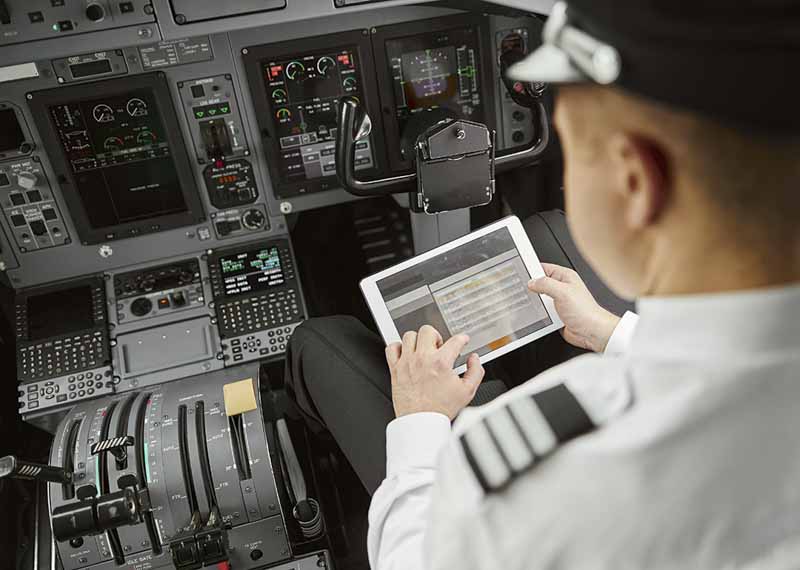
- Avionics maintenance. Updating and repairing onboard systems responsible for flight safety and overall compliance.
Be aware that the above figures do not include ownership costs. You will also have to factor in the cost of fuel, hangar fees, and crew salaries, if applicable. We’ll discuss ownership fees later in this article.
Private Jet Inspections
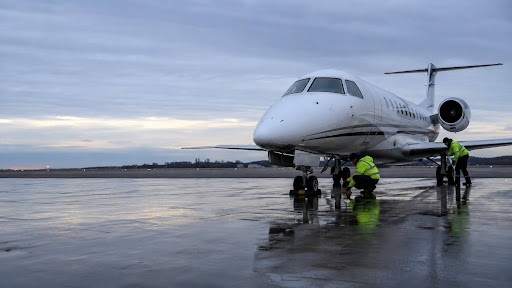
Inspections are a non-negotiable element of private jet ownership, as required by the FAA. Missing a single inspection could potentially render your aircraft illegal to fly.
Likewise, you will be expected to make any repairs indicated by the inspections to maintain safety and airworthiness. As a result, an inspection can uncover the need for major component replacements. This can often add to the overall cost of the inspection.
As a general rule, both older aircraft and larger aircraft involve the most costly inspections. Some required inspections are detailed and elaborate, and each has its cadence. Some inspections must be performed annually. Others must be performed after a designated number of flight hours (often 100 flight hours).
Because aircraft inspections require such detailed recordkeeping, every inspection must be performed by a qualified, experienced aviation mechanic. It’s wise to pay for expertise and reliability. While there are some areas where a private jet owner can ostensibly cut costs, inspections should not be one of them.
What Types of Inspections Are Required for Private Jets?
- Pre-Flight and Post-Flight Inspection. Conducted by the flight crew to identify any immediate issues before and after each trip.
- A Checks and B Checks. Light maintenance checks are typically done every few hundred flight hours.
- C Checks and D Checks. Deep structural and systems inspections that can ground the aircraft for weeks. D checks are the most comprehensive and costly, often exceeding $500,000.
- Special Inspections. Mandated after a certain time or usage intervals, or by airworthiness directives from the FAA or international authorities.
H2: What Are the Most Common Private Jet Repairs and Maintenance Tasks?
The most common private jet repairs and maintenance tasks include:
- Engine diagnostics and repairs
- Avionics system updates
- Landing gear overhauls
- Cabin refurbishment and upholstery replacement
- Software and flight system updates
- Environmental system maintenance (air conditioning, pressurization)
Even minor part replacements can be costly. For example, a single tire for a Gulfstream G550 can cost upwards of $2,000.
How Much Does It Cost to Own a Private Jet Beyond Maintenance?
The cost of owning a private jet includes many fixed and variable expenses.
Fixed costs are those that are easy to budget for, as they tend to remain consistent. Variable costs are less predictable and can increase or decrease based on aircraft use or unique circumstances. We’ve provided a breakdown of costs in each category below.
That’s why the answer to “How much to own a private jet?” is nuanced. Combined, full ownership of a private jet can easily exceed $1 million to $5 million annually. Again, the figure will depend on the jet type and usage.
Fixed Costs of Private Jet Ownership
- Crew Salaries: $200,000 to $500,000 annually
- Hangar Fees: $30,000 to $150,000 annually
- Insurance: $30,000 to $150,000 annually
- Training and Recurrent Certifications: $30,000 to $80,000 annually
Variable Costs of Private Jet Ownership
Variable costs include jet fuel, ongoing maintenance costs, and costs associated with inspections and regulatory compliance. Again, these vary based on the aircraft, the amount of use, and even by jurisdiction. You can expect to pay between $1,500 and $4,000 or more per flight hour for fuel alone.
Is Jet Charter a Smarter Alternative to Ownership?
Given the high costs of private jet ownership, many clients find on-demand charter to be a more cost-effective option. Charter clients enjoy the same luxury and convenience as private jet owners. However, they enjoy more flexibility and fewer ongoing and variable expenses.
Those who charter do not need to experience the stress of compliance and safety management. They never face unexpected private jet repairs or downtime. They even avoid the burdens of capital depreciation and resale uncertainty.
At Paramount Business Jets, we provide access to thousands of vetted, safe, and reliable aircraft worldwide. Our VIP travelers experience 24/7 support and all the luxury of private aviation, with no long-term financial commitments.
The True Cost of Keeping a Private Jet Airworthy
Owning even a single private jet means managing an entire aviation operation. Understanding the full scope of maintenance and operational costs is key to making an informed decision.
Experience the luxury of private aviation without the commitment of ownership. Charter a jet with Paramount Business Jets. You’ll enjoy world-class service, flexible scheduling, and access to thousands of aircraft worldwide.
Learn more about pricing and fee considerations associated with chartering in Chapter 5 of our comprehensive guide.